
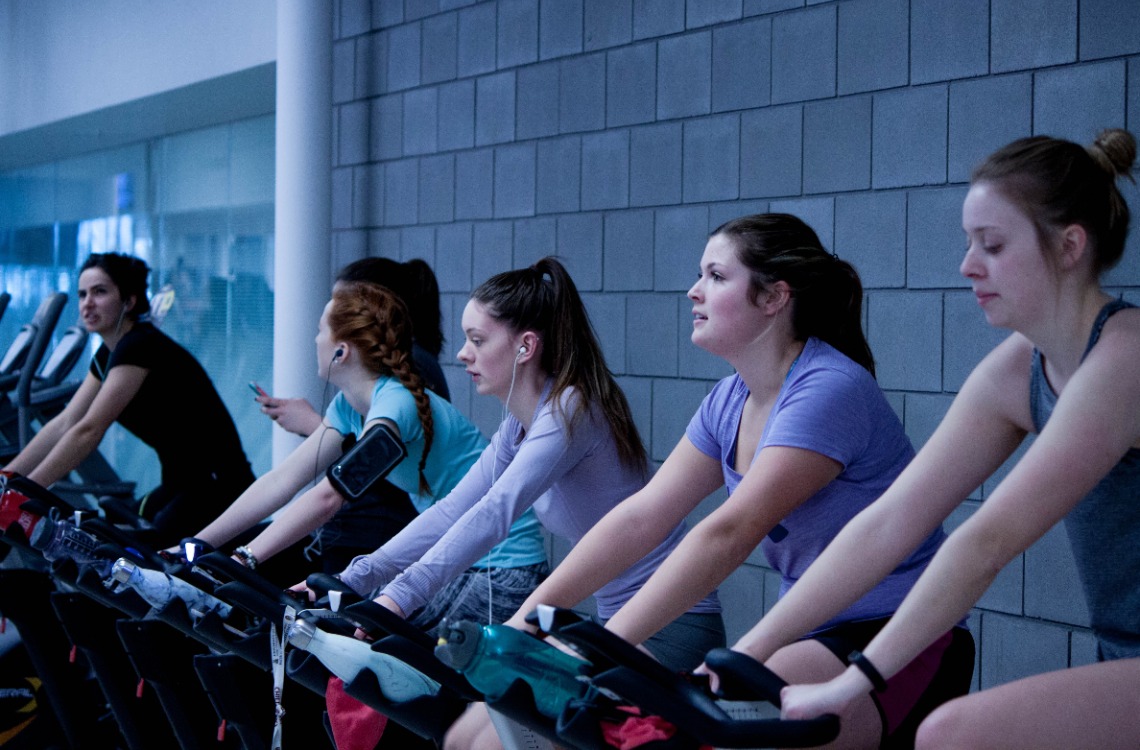
Modern life places constant pressure on mental health. Long working hours, screen-heavy routines, and limited downtime can slowly affect mood, focus, and emotional resilience. Many people search for exercise options that go beyond physical appearance and genuinely support mental wellbeing. This is where indoor cycling singapore plays a powerful role, offering structured movement that positively influences stress levels, emotional balance, and hormonal health in a sustainable way.
Indoor cycling is not only a cardiovascular workout. When practised consistently, it supports brain chemistry, regulates stress hormones, and improves sleep quality, all of which are essential for long-term mental wellness in a fast-paced urban environment like Singapore.
The Link Between Exercise and Mental Health
Mental wellbeing is closely connected to how the body manages stress and recovers from daily demands. Chronic stress can disrupt hormone balance, leading to fatigue, irritability, poor sleep, and reduced motivation. Physical activity helps counter these effects by stimulating beneficial neurochemical responses.
Indoor cycling is especially effective because it combines rhythm, intensity control, and focused effort. This creates a mental state where external distractions fade, allowing the mind to reset while the body works.
How Indoor Cycling Influences Stress Hormones
Stress hormones such as cortisol are necessary in small amounts, but prolonged elevation can negatively affect mental and physical health. High cortisol levels are often linked to anxiety, poor sleep, and difficulty concentrating.
Cortisol Regulation Through Structured Intensity
Indoor cycling sessions are typically designed with peaks and recovery phases. This pattern trains the body to handle stress efficiently rather than remaining in a constant state of tension.
Over time, regular cycling helps:
-
Reduce baseline cortisol levels
-
Improve the body’s ability to recover from stress
-
Decrease feelings of mental overload
This is particularly beneficial for professionals who experience repeated stress cycles throughout the workday.
Endorphin Release and Mood Elevation
Endorphins are often referred to as feel-good hormones. Indoor cycling stimulates endorphin release due to its sustained intensity and rhythmic movement. Unlike short or inconsistent workouts, cycling sessions maintain elevated heart rates long enough to create noticeable mood enhancement.
Many participants report feeling calmer, more positive, and mentally refreshed after a session. This effect can last for hours and contributes to improved emotional regulation over time.
Mental Focus and Cognitive Benefits of Indoor Cycling
Mental fatigue is a common issue in urban lifestyles. Continuous decision-making, notifications, and deadlines drain cognitive resources. Indoor cycling helps restore mental clarity by shifting attention from mental tasks to physical rhythm.
Improved Focus Through Movement
During a cycling session, participants focus on cadence, breathing, and resistance changes. This intentional focus acts as a form of active mindfulness. The mind stays present, reducing rumination and mental clutter.
Over weeks of consistent practice, this can lead to:
-
Better concentration at work
-
Improved task switching ability
-
Reduced mental fatigue
Brain Health and Long-Term Cognitive Support
Regular cardiovascular exercise supports blood flow to the brain. Indoor cycling enhances oxygen delivery and nutrient circulation, which are essential for brain health.
This improved circulation supports memory, learning, and overall cognitive resilience, which becomes increasingly important as work and life demands grow.
Indoor Cycling and Sleep Quality
Sleep is one of the most overlooked aspects of mental health. Poor sleep disrupts hormone regulation, mood stability, and energy levels. Indoor cycling contributes to better sleep in several ways.
Physical Fatigue That Promotes Restful Sleep
Unlike overstimulating activities, indoor cycling creates physical fatigue without excessive joint stress. This balanced exertion helps the body transition more easily into rest mode at night.
Regular participants often notice:
-
Faster sleep onset
-
Deeper sleep cycles
-
Fewer nighttime awakenings
Circadian Rhythm Support
Consistent exercise timing helps regulate the body’s internal clock. Evening cycling sessions can help release accumulated stress, while morning sessions promote alertness and daytime energy balance. Both contribute to healthier sleep patterns when performed consistently.
Emotional Resilience and Confidence Building
Mental wellbeing is not only about reducing stress but also about building emotional resilience. Indoor cycling supports this by creating small, repeatable wins.
Structured Progress Builds Confidence
Indoor cycling programs often track progress through resistance levels, endurance improvements, or perceived effort. Seeing measurable progress reinforces self-efficacy, which positively affects mental health.
This sense of achievement helps participants:
-
Feel more in control of their wellbeing
-
Build confidence beyond the gym
-
Develop a positive relationship with physical effort
Group Energy and Social Connection
Many indoor cycling classes are group-based, creating a shared experience. This sense of connection can be especially valuable for individuals who feel isolated due to work-from-home routines or demanding schedules.
Even without direct interaction, the shared energy of a group can:
-
Reduce feelings of loneliness
-
Improve motivation
-
Enhance overall mood
Hormonal Balance Beyond Stress
Exercise affects more than just stress hormones. Indoor cycling also supports broader hormonal balance that influences mood, energy, and motivation.
Support for Serotonin and Dopamine
Serotonin contributes to emotional stability and wellbeing, while dopamine influences motivation and reward. Indoor cycling stimulates both through sustained physical effort and goal-oriented sessions.
This balanced stimulation helps:
-
Improve motivation consistency
-
Reduce mood fluctuations
-
Support long-term adherence to healthy habits
Energy Regulation Throughout the Day
By improving insulin sensitivity and circulation, indoor cycling helps stabilise energy levels. This reduces the highs and crashes often associated with sedentary routines and irregular eating patterns.
Stable energy contributes directly to mental clarity and emotional balance.
Why Indoor Cycling Works Well in Singapore’s Environment
Singapore’s urban density and climate can make outdoor exercise unpredictable. Indoor cycling offers a controlled environment that supports mental wellbeing without additional stressors such as weather or traffic.
Facilities like True Fitness Singapore provide structured sessions led by trained instructors who understand how to balance intensity and recovery. This professional guidance ensures that workouts enhance mental health rather than contributing to burnout.
The availability of scheduled classes also helps participants create routines, which are essential for mental stability and long-term habit formation.
Integrating Indoor Cycling Into a Mental Wellness Routine
For maximum mental health benefits, indoor cycling works best as part of a consistent routine rather than an occasional activity.
Helpful strategies include:
-
Scheduling sessions on high-stress days
-
Using cycling as a transition between work and personal time
-
Pairing workouts with simple breathing or stretching routines
-
Avoiding excessive intensity when feeling mentally drained
This flexible approach allows cycling to support wellbeing rather than become another source of pressure.
Frequently Asked Questions
Can indoor cycling help reduce work-related stress?
Yes. The combination of physical exertion and structured focus helps reduce cortisol levels and release endorphins, which are key to stress relief.
How quickly can mental health benefits be felt?
Many people notice mood improvement and reduced stress after just a few sessions. Long-term benefits build with consistent practice over several weeks.
Is indoor cycling suitable for people with anxiety?
Indoor cycling can be beneficial for anxiety when intensity is managed properly. The rhythmic movement and controlled environment often help calm the nervous system.
Does indoor cycling improve sleep quality?
Regular indoor cycling supports better sleep by reducing stress and promoting physical fatigue that encourages deeper rest.
How often should I cycle for mental wellbeing?
Two to four sessions per week are generally effective for supporting mood, focus, and emotional balance.
Can indoor cycling replace other forms of mental wellness practices?
Indoor cycling is a strong foundation, but it works best alongside healthy sleep habits, balanced nutrition, and stress management techniques.
Indoor cycling continues to stand out as a practical and effective way to support mental wellbeing in Singapore’s demanding lifestyle. By positively influencing stress hormones, mood, and sleep, it offers benefits that extend far beyond physical fitness and into everyday quality of life.