
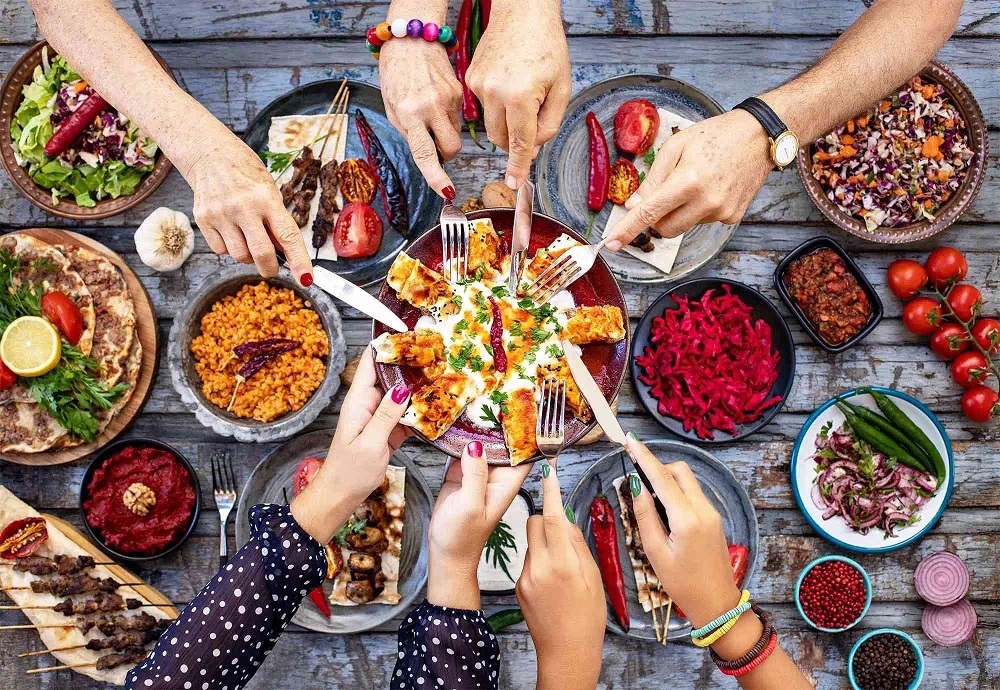
Food is far more than a biological necessity. It is a mirror reflecting the structural shifts, cultural values, and technological advancements of human society. The way individuals select, prepare, and consume meals changes in direct response to evolving daily routines, work environments, and wellness philosophies.
Over the past few decades, global societal changes have reshaped the modern kitchen and the restaurant industry. Analyzing contemporary food movements reveals that what ends up on the dinner plate is a direct indicator of how busy, technologically integrated, and health-conscious human lives have become.
The Collapse of the Traditional Three-Meal Structure
For generations, the daily schedule was anchored by three distinct, structured meals: breakfast, lunch, and dinner. This structure relied heavily on fixed working hours and single-income households where one family member dedicated substantial time to domestic food preparation. As lifestyles have become more fluid and complex, this traditional model has steadily degraded.
The Rise of Snackification
With the growth of hybrid work environments, flexible corporate schedules, and extended commuting times, a significant portion of the population no longer sits down for a traditional midday or evening meal. Instead, consumers are turning to a phenomenon known as snackification, where smaller, nutrient-dense portions are consumed throughout the day.
-
Mini-Meals over Indulgence: Snacks are no longer viewed merely as occasional treats or junk food designed to satisfy a temporary craving. Modern snack trends lean heavily toward mini-meals that offer complete nutritional profiles, such as protein-rich dips, prebiotic chia puddings, and single-serve grain bowls.
-
Grazing for Sustained Energy: This shift reflects a lifestyle that prioritizes continuous productivity and agility. Rather than experiencing the digestive sluggishness that often follows a large lunch, individuals utilize targeted grazing to maintain stable blood sugar and consistent cognitive focus during demanding work hours.
Reimagined Convenience and Healthy Ready-to-Eat Options
The lack of time has not diminished the human desire for high-quality food. While convenience once meant fried fast food or sodium-laden frozen dinners, modern lifestyle pressures have driven the evolution of healthy convenience. The contemporary consumer demands instant solutions that do not compromise metabolic wellness. Consequently, the food market has seen a surge in premium, pre-packaged items like bone broths, fiber-dense legume pastas, and flash-frozen artisanal meals made without artificial preservatives.
Wellness Reoriented: Moving Beyond Extremes
Dietary trends have long been influenced by a desire for health, but the definition of wellness has undergone a major transformation. The era of restrictive dieting, obsessive calorie counting, and single-nutrient fixation is being replaced by a holistic, inclusive view of nutrition that aligns with a more self-aware lifestyle.
The Focus on Gut Health and Fiber
Public understanding of biological health has matured significantly. Consumers now recognize that overall well-being, immunity, and mental clarity are intricately linked to metabolic wellness and the microbiome.
-
The Fiber Revolution: For years, protein held the spotlight as the ultimate macro-nutrient for health and fitness. While protein remains highly valued, fiber has emerged as a major focus for consumer demand. People are intentionally incorporating whole, unrefined carbohydrates like lentils, chickpeas, oats, and seeds into their diets to support digestive longevity and sustained satiety.
-
Rejecting Synthetic Additives: This focus on internal biology has caused a widespread rejection of ultra-processed foods. Modern lifestyles favor transparent sourcing, shorter ingredient lists, and foods that retain their natural matrix over synthetic, heavily engineered alternatives.
Standalone Plant-Based Authenticity
Early iterations of the modern plant-based trend relied heavily on duplicating meat and dairy products through complex laboratory processing. As lifestyles shift toward clean eating and environmental sustainability, the trend has moved away from chemical mimicry toward whole-food authenticity.
Instead of choosing highly processed fake meats, individuals are embracing legumes, ancient grains, and mushrooms as standalone stars of their meals. Beans and lentils are being celebrated not just for their nutritional density and high fiber content, but also as affordable, climate-friendly protein resources that align with a conscious, budget-aware lifestyle.
Cultural Exploration and Global Street Foods
Modern lifestyles are more globally interconnected than ever before, largely driven by digital media, travel, and shifting demographics. This hyper-connectivity has transformed culinary preferences, turning ordinary meals into a platform for exploration and cultural identity.
Bold Contrasts and Multi-Sensory Experiences
Familiar, bland flavor profiles are losing relevance among younger generations of consumers. People are actively seeking out bold, expressive, and layered sensory experiences in their daily eating habits.
-
Complex Flavor Profiles: Trends are dominated by vibrant combinations that challenge conventional taste boundaries, such as sweet-and-spicy pairings like hot honey and gochujang, or bright, acidic accents like yuzu and passionfruit.
-
Thoughtful Cross-Cultural Fusion: Food is increasingly viewed as an affordable luxury and a form of experiential entertainment. Cross-cultural fusion concepts, such as infusing traditional pastries with regional spices from South America, Malaysia, or Korea, reflect a society that values curiosity, diversity, and novelty.
Nostalgia and Comfort Foods
Conversely, the fast pace and inherent uncertainties of modern life have triggered an equal and opposite reaction: the desire for culinary comfort. In times of stress, consumers look to heritage flavors and childhood favorites to regain a sense of stability and emotional groundedness. The modern food market reflects this by remixing classic recipes, such as premium stews, slow-cooked soups, and traditional baked goods, using high-quality, artisanal ingredients. This duality shows that modern eating habits are deeply tied to emotional regulation.
Frequently Asked Questions
How do modern beverage trends reflect changing attitudes toward corporate hustle culture?
The rise of functional beverages, such as mushroom coffees infused with adaptogens like lion’s mane and chaga, directly reflects a cultural shift away from chaotic over-caffeination. While traditional hustle culture relied on excessive amounts of synthetic energy drinks and dark roasts that caused adrenaline spikes and crashes, modern professionals seek sustained cognitive focus, stress reduction, and jitter-free alertness that supports long-term nervous system health.
Why has the appearance of food become almost as critical as taste in modern food trends?
The visual aesthetic of food has gained immense prominence due to the integration of social media into daily life. Dining has transformed from a private sensory experience into a shareable form of digital currency and self-expression. Restaurants and food manufacturers now intentionally design dishes with vibrant colors, unique textures, and dramatic presentation styles to cater to a lifestyle where visual storytelling is a primary mode of social connection.
How does the growing popularity of fermented foods align with shifts in modern preventative healthcare?
As traditional healthcare systems become increasingly expensive and reactive, consumers are adopting a proactive, preventative approach to their personal well-being. The mainstream adoption of fermented foods like kimchi, kefir, and kombucha reflects a desire to manage health through everyday nutrition. People are using these naturally probiotic-rich foods to fortify their immune defenses and optimize digestion at home, reducing reliance on pharmaceutical interventions.
What lifestyle changes have driven the demand for smaller, mini-sized dessert and bakery portions?
The trend toward miniature pastries and right-sized treats is driven by a desire for balanced wellness without total deprivation. Modern consumers reject the severe restriction of traditional diets but remain highly conscious of metabolic health and sugar intake. Mini formats allow individuals to enjoy premium, high-quality indulgence and complex textures in a way that feels lighter, manageable, and compatible with an active, health-conscious routine.
In what ways do food trends reflect a growing societal rejection of cosmetic perfection?
The increasing popularity of ugly produce subscription boxes and visually imperfect fruits reflects a major cultural shift toward sustainability and waste reduction, championed heavily by younger generations. Consumers are actively redefining beauty and authenticity, recognizing that superficial cosmetic standards in grocery stores contribute heavily to global food waste. This trend shows a lifestyle that prioritizes ecological responsibility over artificial perfection.
How has the rise of single-person households influenced grocery shopping and meal trends?
The demographic shift toward independent living and delayed marriage has dramatically increased the demand for micro-convenience. Single consumers drive the market for small-portion packaging, customizable meal kits, and versatile, multi-purpose ingredients like canned beans and pre-cooked grains. This lifestyle minimizes food spoilage and eliminates the time-consuming burden of cooking large, complex meals for a single individual.