
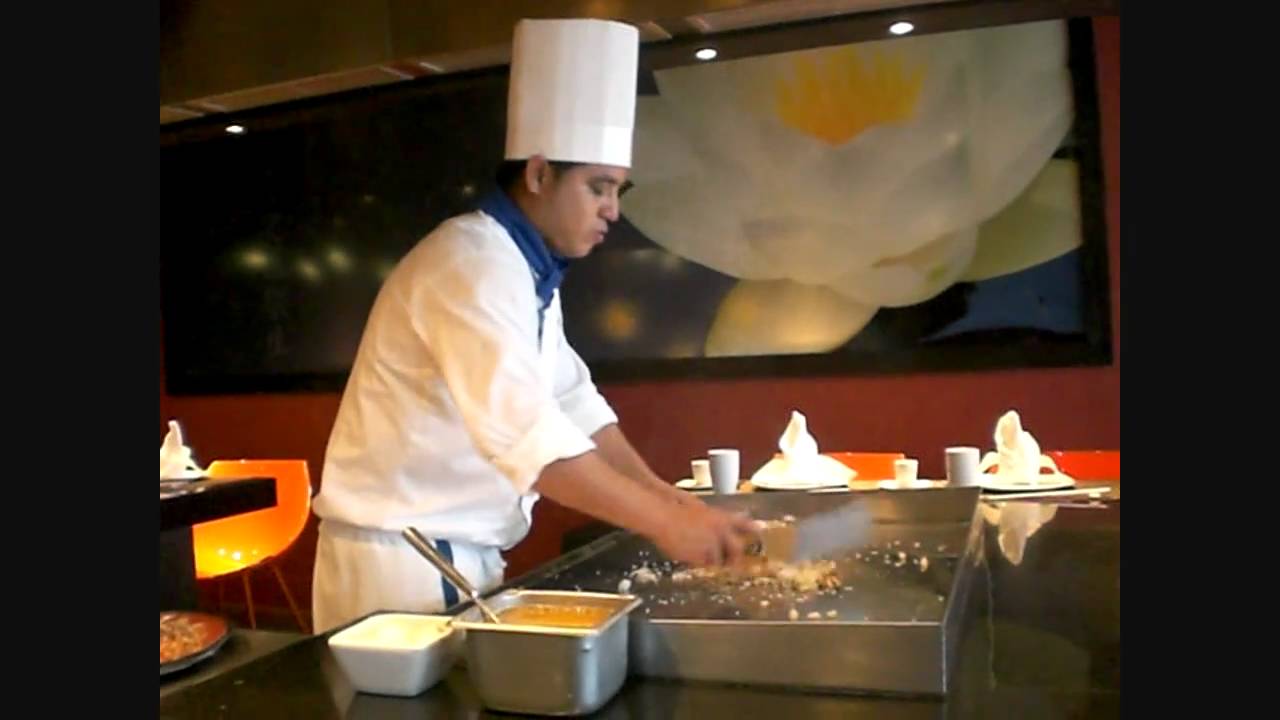
Bangkok has always been known for its street food and spicy local dishes, but over the past few years, another trend has been quietly building. A wave of talented chefs from Japan are choosing the Thai capital as the place to open restaurants or lead kitchens. These chefs are helping to shape a new scene for many a Japanese restaurant Sukhumvit, and diners are taking notice.
There’s a surprising connection between Thai and Japanese cooking. Both focus on balance, attention to detail, and letting the quality of ingredients shine through. While the flavours are different, the philosophy behind the food overlaps. Thai diners tend to appreciate the precision and simplicity of Japanese dishes, and chefs feel welcomed by a curious, open-minded audience.
Bangkok also has a strong base of Japanese residents and travellers. This helps create steady demand for food that respects tradition, while also allowing chefs to experiment and grow. Some restaurants stick closely to classic techniques. Others blend Japanese methods with Thai ingredients to offer something more original.
Bangkok’s dining scene is known for its range. You can find tiny ramen shops next to high-end sushi counters. What’s changed is the number of skilled chefs coming directly from Japan, bringing years of training with them. Some worked at top restaurants in Tokyo before relocating. Others started their journey in Thailand and slowly built a name for themselves.
Costs are also a factor. Opening a fine dining spot in Tokyo or Osaka can be expensive. Bangkok offers more flexibility. Spaces are easier to come by, and chefs can often take more creative risks. That freedom allows them to focus on their craft without the same pressure found in bigger cities.
Thailand’s access to fresh seafood is another draw. Chefs can work with high quality fish flown in daily from Japan or sourced locally. Produce is also reliable. Wasabi, yuzu, and other key ingredients are now available through select importers, and many kitchens build strong connections with trusted suppliers.
The result is a dining experience that holds up to the standards of what you’d find in Japan. From multi-course omakase dinners to seasonal tasting menus, Bangkok has become a place where chefs can offer serious food in a setting that feels both refined and welcoming.
Many of these chefs run small kitchens, serving just a few guests each night. The experience is quiet, focused, and centred on the food. Customers often get to speak directly with the person preparing their meal.
This kind of setup appeals to a growing group of diners in Bangkok. People who want more than just a trendy venue or social media moment. They’re looking for attention to detail, thoughtful presentation, and food that reflects years of practice.
More chefs are seeing the value in opening a restaurant here. They’re not looking to copy what’s done in Japan. They’re building something new using the same foundation, and it’s starting to shape a different kind of dining experience in the city.