
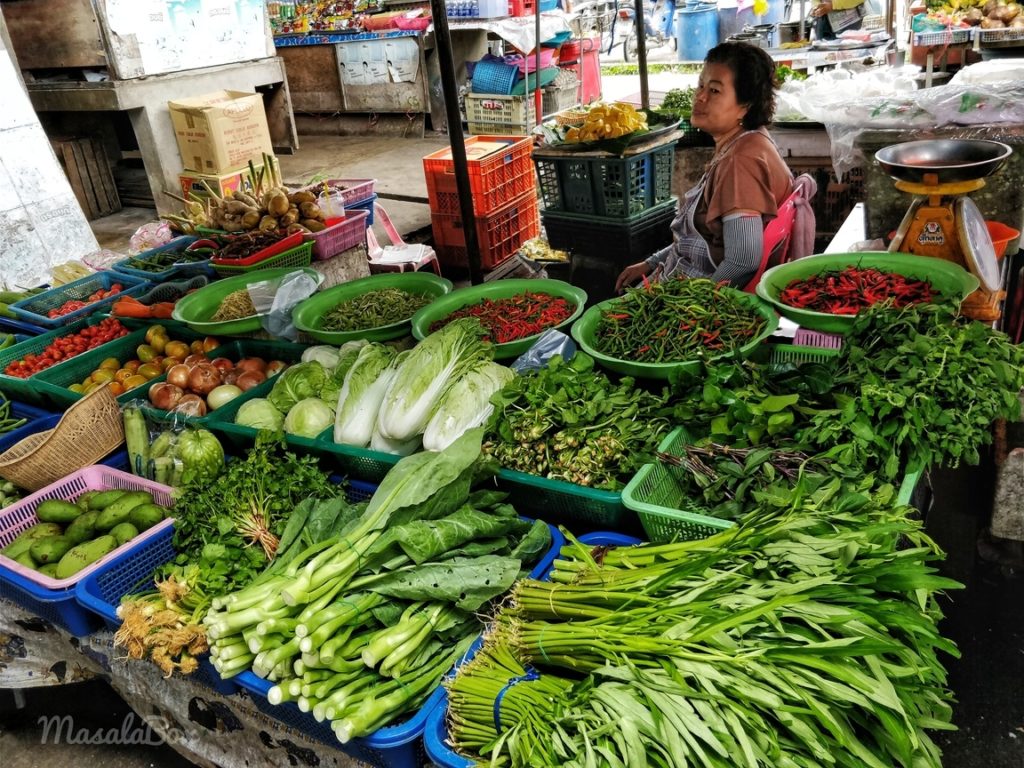
When it comes to fresh produce exports, Thailand is often known for fruit. But vegetables are just as important, and demand keeps rising. Talking to any vegetables exporter Thailand, you’ll hear the same names come up again and again. These are the ones importers count on to arrive fresh, firm, and full of flavour.
Morning Glory
Eaten across Southeast Asia, this fast-growing green is light, crisp, and easy to stir-fry. It doesn’t have a strong taste, but it soaks up flavour from garlic, soy sauce, and chilli. Exporters usually send it trimmed, washed, and bundled in moisture-resistant packaging. It travels better than you’d expect.
Thai Eggplant
These small round eggplants are nothing like the ones most people in the West are used to. They’re crunchy, a little bitter, and perfect in curries. You’ll often see them floating in green curry, still holding their shape. They’re popular with Thai restaurants overseas and often requested in bulk.
Bird’s Eye Chilli
Small but mighty, these pack heat. They’re essential in Thai cooking and go into everything from som tam to spicy dipping sauces. Because they’re small and firm, they ship well. Proper ventilation and cool storage are the main things exporters focus on.
Galangal and Lemongrass
Technically herbs, but treated like vegetables in many kitchens, these are essential to Thai soup bases. Galangal looks like ginger but has a more citrusy bite. Lemongrass is tough but aromatic. Both are strong enough to survive the trip and are always in high demand.
Baby Corn
This one might seem like a surprise, but baby corn is a popular export because of how well it holds up during shipping. It’s picked early, so it stays tender and sweet. Thai-grown baby corn ends up in restaurants and supermarkets all over the world.
Thai Basil
Known for its spicy, slightly licorice-like flavour, Thai basil is different from the Italian version. It wilts fast, so careful packing is important. Some exporters send it with the roots still attached to help keep it fresher for longer.
Demand Follows Restaurants
The growth in Thai restaurants abroad is what drives the demand for these vegetables. When menus stay traditional, the supply chain has to keep up. That’s why exporters often work closely with distributors to track volume and freshness on a weekly basis.
Thai vegetables may not always get the spotlight, but they play a major role in kitchens around the world. The ones that ship well and stay true to their flavour are the ones buyers always come back for.