
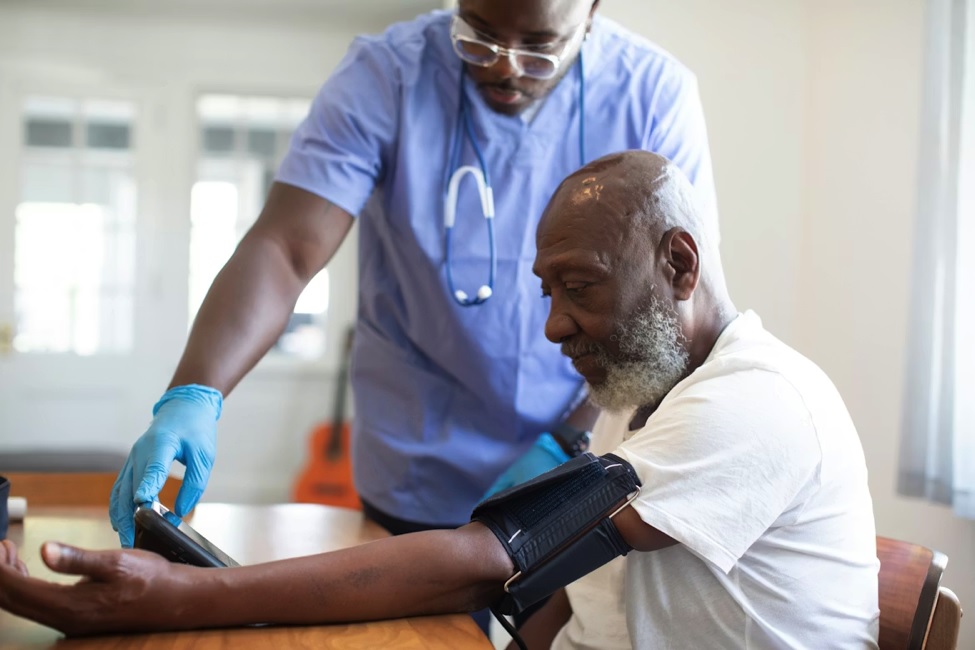
For generations, the predominant global health care model operated primarily as a “sick-care” system—allocating vast resources toward treating advanced diseases rather than preventing their onset. Today, a paradigm shift is underway toward preventive health care and longevity science. By focusing on metabolic health, lifestyle medicine, and ultra-early screening, medicine is moving from managing chronic decline to preserving optimal human function throughout the lifespan.
The Impact of Nutrition and Lifestyle
The modern lifestyle—characterized by chronic psychological stress, sedentary daily routines, and a heavy reliance on ultra-processed foods—fuels an epidemic of lifestyle-driven chronic diseases, including Type 2 diabetes, cardiovascular disorders, and metabolic syndrome. Preventive health care places renewed emphasis on lifestyle medicine as a core clinical prescription.
Physicians are increasingly treating nutrition, restorative sleep hygiene, and targeted physical activity as potent molecular interventions. Restoring metabolic flexibility through whole-food diets and daily movement has been proven to reverse early-stage insulin resistance and lower systemic inflammation, reducing reliance on lifelong pharmaceutical regimens.
The Power of Early Screening
Waiting for physical symptoms to manifest before investigating a disease is an outdated strategy. Modern preventive health care leverages multiomics, advanced biomarker panels, liquid biopsies, and whole-body imaging to catch pathology at its absolute earliest, pre-symptomatic inception.
Screening for circulating tumor DNA, mapping lipid subfractions, and tracking inflammatory markers enable clinicians to intercept conditions like cancer and cardiovascular disease years before traditional diagnostics would catch them. When caught at stage zero, survival and recovery rates skyrocket while treatment costs plummet.
Exercise as Molecular Medicine
Physical inactivity is one of the leading preventable causes of global mortality. Modern preventive frameworks view structured exercise not merely as a tool for weight management, but as a sophisticated pharmaceutical agent. Resistance training and cardiovascular conditioning stimulate myokines—signaling proteins released by skeletal muscle—that improve insulin sensitivity, enhance cognitive function, and support cellular repair mechanisms.
Prescribing specific exercise doses tailored to an individual’s physiological capacity has become a standard recommendation in modern longevity-focused clinical practices.
Conclusion
The future of health care belongs to prevention. By shifting focus away from reactive disease management and toward early detection and lifestyle optimization, society can dramatically extend both health span and life span, ensuring that advanced age is characterized by vitality rather than chronic illness.