
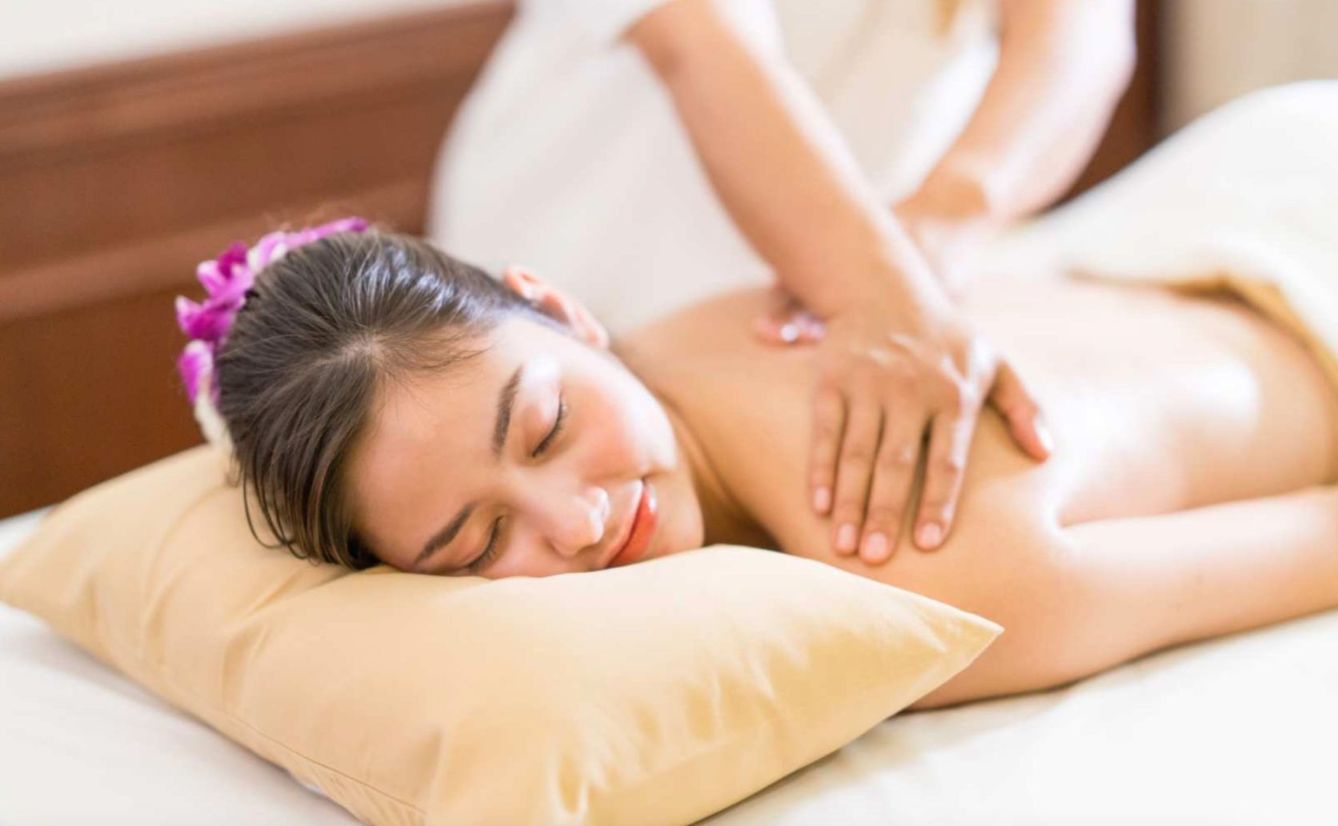
Some treatments are designed mainly for quiet relaxation, while others are more active and physical. If you are considering Thai massage in Chiang Mai, it helps to understand the style before you book, particularly if you are used to oil-based spa treatments or lighter relaxation massages.
Expect A More Active Style
Traditional Thai massage is often more physical than people expect. It can involve pressure, stretching and assisted movement, with the therapist working through the body in a structured way. Rather than simply lying still while oil is applied in long strokes, you may be moved into different positions as the treatment progresses.
This can make it especially useful after travel. Flights, long drives, sightseeing and walking can leave the body feeling compressed or stiff, particularly through the back, hips, shoulders and legs. A treatment that includes stretching may help the body feel more open and mobile.
That does not mean it should feel harsh. Firm pressure can be part of the experience, but it should still feel controlled and appropriate. If anything feels too intense, it is completely reasonable to say so.
Prepare So You Can Enjoy It Properly
It is best not to book this kind of treatment immediately after a heavy meal or when you are already rushing. Because the session can involve movement, stretching and pressure, you will usually enjoy it more if you arrive comfortable, hydrated and calm.
Traditional Thai massage is commonly performed clothed, often with loose garments provided. This allows the therapist to move the body more easily and makes the treatment feel different from a typical oil massage. For first-time visitors, knowing this in advance can make the experience feel more familiar and less surprising.
Before the treatment begins, mention anything the therapist should know. Back issues, recent injuries, pregnancy, sensitive areas or a preference for lighter pressure should all be raised at the start. A few seconds of clear communication can make the whole session more comfortable.
Pressure Should Not Be A Test
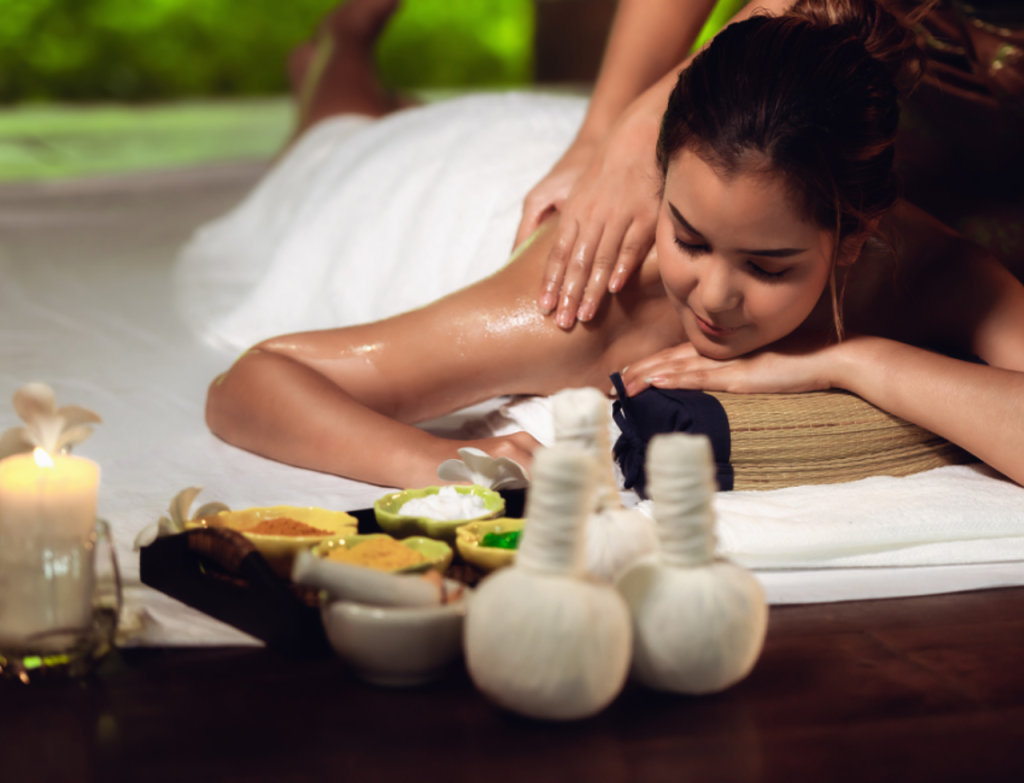
Some people assume that a stronger massage is automatically better, but that is not always true. The right level of pressure should feel effective without leaving you tense, braced or uncomfortable. If you are holding your breath or waiting for a section to end, the pressure may be too much.
Good feedback does not need to be complicated. Asking for softer pressure, slower movement or less stretching is enough. The goal is not to endure the treatment; it is to leave feeling better than when you arrived.
This is particularly important during a trip, when the body may already be tired from walking, sightseeing or sleeping differently. What feels fine at home may feel too strong after several busy days away.
Give Your Body Time Afterwards
After a traditional treatment, you may feel loose, calm, energised or pleasantly tired. Try not to rush straight into a demanding activity. Drink water and, if possible, plan something gentle afterwards.
A quiet evening can be a good follow-up. The treatment can then become part of a wider reset rather than a short break before more rushing around. With the right expectations and a sensible pace, a traditional treatment can be one of the most grounding parts of a trip.