
Understanding the Toll of Desk Jobs in Singapore
In Singapore’s fast-paced corporate world, a large portion of the population spends long hours seated behind desks. From marketing executives to finance analysts, the daily routine often includes sitting for eight to ten hours with minimal movement. This lifestyle can cause a slew of health issues including neck and shoulder stiffness, poor posture, lower back pain, and even decreased mobility.
That’s where the growing interest in pilates Singapore classes comes into play. As more professionals realise the importance of proactive wellness, pilates has emerged as a smart, effective solution to counteract the negative effects of a sedentary routine.
Why Pilates Works for Desk-Bound Professionals
Pilates is uniquely beneficial for office workers because it targets deep postural muscles, builds core strength, and emphasises controlled breathing and body awareness. Unlike high-impact workouts, pilates is gentle on joints, making it ideal for individuals who are already physically strained by long hours of sitting.
Core Stability: More Than Just a Flat Belly
Pilates places a strong focus on strengthening the deep abdominal muscles, lower back, and pelvic floor. For office workers, this is vital as these muscles help support the spine, which is often compromised due to poor sitting habits. A stable core translates to better balance, improved posture, and reduced lower back pain.
Posture Correction: From Slouched to Strong
Hunched shoulders and rounded backs are common in those who work long hours at a computer. Pilates exercises like the Swan, Shoulder Bridge, and Chest Expansion work to open up the chest, realign the spine, and bring awareness to proper posture. Over time, this leads to a naturally upright and more confident stance.
Improved Flexibility and Mobility
Sitting for prolonged periods can cause the hips to tighten and the spine to lose its natural curve. Pilates incorporates slow, dynamic stretching that improves flexibility in the hamstrings, hip flexors, and lower back—areas that are commonly tight in office workers. This not only reduces stiffness but also enhances daily comfort and movement.
Stress Relief and Mental Clarity
The controlled breathing in pilates activates the parasympathetic nervous system, helping office workers unwind and detach from daily stressors. Many report improved concentration and emotional balance after regular pilates sessions.
How to Integrate Pilates into a Busy Work Schedule
For busy professionals, time is often the biggest barrier to regular exercise. Thankfully, pilates can be seamlessly incorporated into even the tightest of routines.
Lunchtime or After-Work Classes
Studios across Singapore are now offering express classes during lunchtime and in the early evening. These sessions are typically 30 to 45 minutes and target the core essentials—perfect for those looking to squeeze in a rejuvenating break between meetings.
Desk-Based Pilates Stretches
Even at work, small movements can make a difference. Simple stretches like seated spine twists, shoulder rolls, or leg extensions under the desk can activate muscles and improve circulation. These micro-breaks can prevent fatigue and increase productivity.
Virtual Pilates Options
Many pilates studios provide online options for those who prefer to work out from home. This adds flexibility and ensures consistency, especially for professionals with erratic schedules or frequent business travel.
Choosing the Right Pilates Class for Office Recovery
Office workers may find certain pilates formats more suitable based on their physical condition and goals.
Mat Pilates for Beginners
Mat pilates involves exercises done on a padded mat using only body weight. It’s a great starting point for those who are new to the practice and want to build a foundational understanding of breath, alignment, and controlled movement.
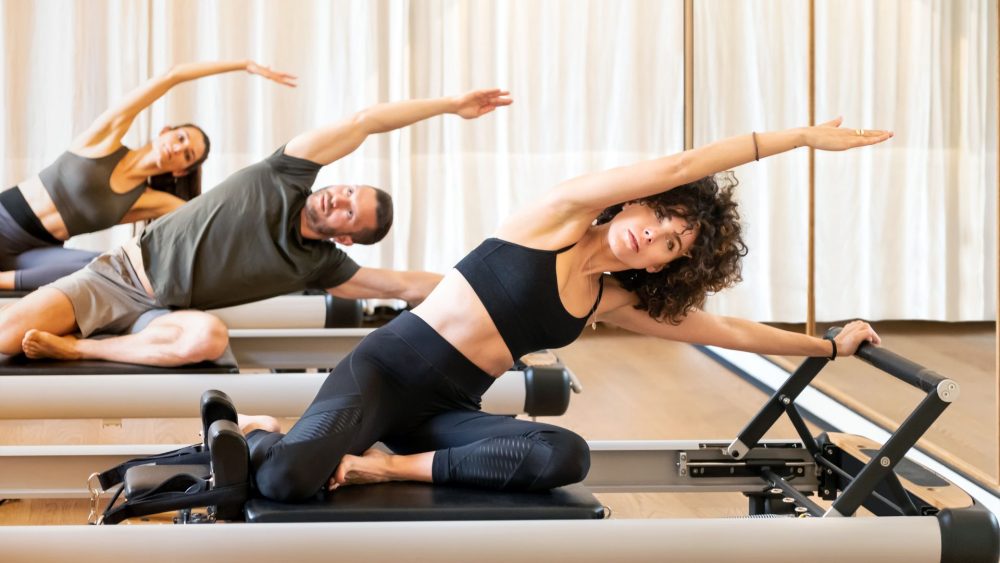
Reformer Pilates for Enhanced Results
Using a spring-based reformer machine, this style offers greater resistance and support. It’s highly effective in improving posture, flexibility, and strength. Professionals dealing with chronic tightness or pain may benefit significantly from reformer sessions under professional guidance.
Group Classes for Motivation
Joining a group class adds an element of social interaction and motivation, which can be helpful in staying committed. It also offers the chance to connect with like-minded individuals from the corporate world who face similar lifestyle challenges.
For those looking for professionally guided and conveniently located pilates options, Yoga Edition offers a variety of classes designed to meet diverse schedules and needs.
Long-Term Benefits for the Working Professional
The real advantage of pilates for office workers lies in its long-term impact. While results are not instantaneous, consistency can bring transformative changes to both body and mind.
-
Better posture leads to reduced fatigue and higher energy levels throughout the day.
-
Enhanced flexibility makes daily activities, from walking to lifting groceries, more comfortable.
-
Stronger core muscles improve athletic performance and reduce injury risk.
-
Mindfulness and stress management become embedded in one’s routine, improving work-life balance.
Testimonials from Singapore Office Workers
Many Singapore-based professionals have embraced pilates as a staple in their weekly routine. Here’s what some have shared:
“I used to get chronic lower back pain by midweek. After just a few months of pilates, I now sit straighter and feel energised even after long meetings.” — Financial Analyst, Raffles Place
“The lunchtime express classes were a game changer. I return to work feeling more focused, and my shoulder stiffness is nearly gone.” — HR Manager, Bugis
These real experiences show that pilates is more than a trend. It’s a lifestyle adaptation that genuinely supports long-term wellness for working adults.
Practical Tips for Starting Pilates in Singapore
If you’re just starting, keep the following in mind:
-
Start slow: Don’t expect immediate flexibility or strength gains. It’s a progressive journey.
-
Be consistent: Two to three sessions a week is a great rhythm to begin with.
-
Wear the right attire: Comfortable, stretchable clothes will help you move freely.
-
Hydrate well: Staying hydrated aids in muscle recovery and overall performance.
-
Inform your instructor: Share any existing pains or conditions to receive tailored guidance.
Frequently Asked Questions
Q. I work long hours and often feel too tired to exercise. Will pilates still be effective for me?
A. Yes, pilates is low-impact and energising. Even short sessions can help restore energy and improve your mood. Many office workers report feeling more refreshed after pilates than before.
Q. How soon can I expect to see results from pilates?
A. While it varies by individual, most people start noticing improved posture, reduced pain, and better flexibility within 4 to 6 weeks of consistent practice.
Q. Is pilates suitable for people with existing neck or back pain from desk jobs?
A. Absolutely. In fact, pilates is often recommended by physiotherapists to address chronic posture-related issues. Just ensure you inform your instructor so exercises can be modified accordingly.
Q. Can I do pilates even if I haven’t exercised in years?
A. Definitely. Pilates is beginner-friendly and can be adapted to your fitness level. It’s ideal for reintroducing your body to movement after a long break.
Q. Do I need special equipment or gear to start pilates?
A. For mat pilates, all you need is a good-quality mat and comfortable attire. Studios typically provide reformer machines and other equipment if needed.